
USDA Loans in Cherry Hill, NJ
Buying a home with little or no down payment can provide opportunities for buyers that otherwise may not be able to become homeowners.
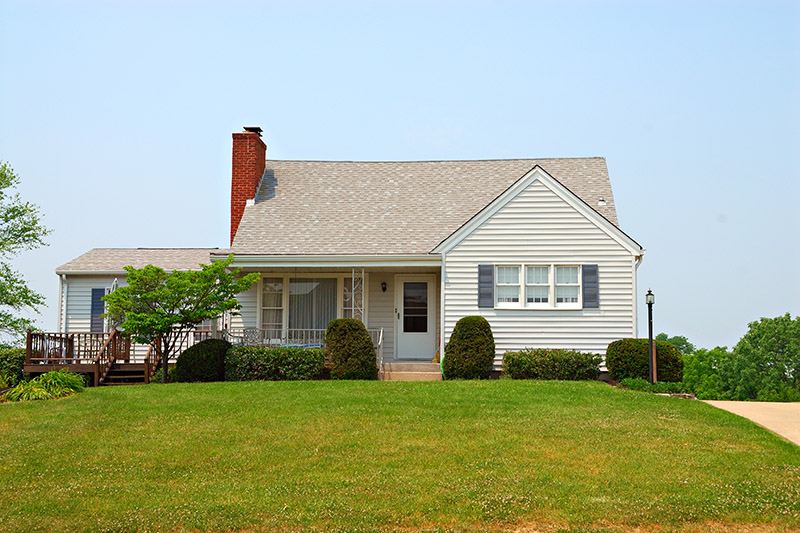
Understanding USDA Financing for Cherry Hill, NJ Buyers
A USDA loan for a Cherry Hill, NJ homebuyer is a government-backed mortgage that may allow 100% financing when the borrower, household, and property meet current program guidelines. At Maximus Mortgage Advisors, we help buyers verify address eligibility, review household income, and compare USDA financing with conventional, FHA, and VA loans before they make an offer.
Key Takeaways
- Down payment: USDA loans may provide up to 100% financing, although buyers still need a plan for closing costs and prepaid expenses.
- Property location: Eligibility is based on the home’s exact address under the current USDA map, not simply its municipality or ZIP code.
- Household income: Current income limits vary by location and household size, and certain income earned by adult occupants may be included.
- Occupancy: The property must be used as the borrower’s primary residence rather than a vacation home, rental, or short-term investment.
- Property condition: The home must satisfy appraisal, safety, and habitability requirements before the transaction can close.
- Program costs: USDA financing includes upfront and annual fees under the guidelines in effect as of 2026.
Common Questions About USDA Loans
USDA eligibility is determined by a combination of property location, household income, repayment ability, credit history, and occupancy. These are the questions we typically address before a buyer starts looking at eligible homes.
- What is a USDA mortgage? A USDA mortgage is a government-backed home loan intended to support eligible borrowers purchasing primary residences in designated areas. The loan is originated through a participating mortgage lender and reviewed under USDA requirements.
- Who can use the USDA program? First-time and repeat buyers may qualify if they meet the current household-income, credit, debt, occupancy, and property rules. Buyers new to the process can also review our first-time home buyer guidance.
- How much money do I need upfront? USDA loans may allow 0% down, but that does not always mean zero cash to close. You may need funds for an inspection, appraisal, title charges, insurance, property-tax escrows, prepaid interest, and any costs not covered through credits.
- Can I obtain a USDA loan in Cherry Hill, NJ? The answer depends on the specific property address and the current eligibility map. Because developed areas may not be eligible, we recommend checking an address before writing an offer that depends on USDA financing.
- Do I need to be a first-time homebuyer? No. Move-up and repeat buyers may use the program, provided they meet its requirements and plan to occupy the new property as their primary residence.
- Is excellent credit required? USDA underwriting looks at the overall credit profile rather than one number alone. Payment history, collections, recent late payments, debt obligations, and automated underwriting findings may all influence the review.
- How long does a USDA loan take to close? The timeline depends on documentation, appraisal conditions, lender underwriting, and USDA review volume. It may take longer than a straightforward conventional transaction, so the financing timeline should be reflected in the purchase contract.
- Can a self-employed buyer use USDA financing? Yes, if acceptable records support stable qualifying income. Tax returns, year-to-date profit-and-loss statements, balance sheets, and business documentation may be needed depending on the borrower’s circumstances.
How USDA Loans Work
A USDA loan moves through household review, address verification, documentation, appraisal, underwriting, and agency review before closing. We believe in systems and process because a careful review at the beginning can uncover issues that are difficult to fix once a buyer is under contract.
- Review your financial picture: We start with your income, employment, assets, debts, credit history, household size, and expected occupancy. This helps us determine whether USDA financing is worth exploring or whether an FHA home loan or conventional program should also be considered.
- Calculate household and qualifying income: USDA uses household income to evaluate the applicable income limit, while qualifying income measures your ability to repay the mortgage. These are not always the same calculation because income from an adult occupant may affect eligibility even if that person is not borrowing.
- Verify the exact property address: We check the current USDA map before you depend on the program in a purchase offer. Two homes located a short drive apart can receive different eligibility results when they sit on opposite sides of a mapped boundary.
- Document the application: Borrowers generally provide pay statements, tax forms, bank statements, identification, and housing history. Self-employed applicants may need additional business records, while unusual deposits or recent credit events may require written explanations and supporting documents.
- Complete the appraisal: The appraiser evaluates market value and reports visible conditions that may affect safety, soundness, or habitability. Items such as nonworking utilities, exposed wiring, water damage, or an inadequate heating system can lead to repairs or further inspection.
- Move through underwriting and closing: The lender reviews the complete file for credit, income, assets, debts, property standards, and program compliance before the applicable USDA review. Once the remaining conditions are resolved, you receive final disclosures showing your payment, rate, fees, and required cash before signing.
When a USDA Mortgage May Make Sense
A USDA mortgage may be a good fit for a primary-residence buyer with stable income who wants to preserve savings and is considering an eligible property. That can include first-time buyers, move-up households, veterans who are comparing multiple programs, and self-employed borrowers whose tax records support their income. In our experience, the program often gets attention from buyers who can manage the monthly payment but would rather keep cash available for moving expenses, repairs, and emergency reserves.
Other financing should be considered when the address is ineligible, household income exceeds current limits, or the property needs extensive rehabilitation. Veterans may want to compare USDA with a VA purchase loan, which follows different eligibility and fee rules. USDA financing is not intended for real estate investors, so a buyer purchasing a rental property may instead explore an DSCR home loan or another investment-property program.
USDA Mortgage Costs, Fees, and Timing
USDA financing may remove the need for a down payment, but it does not remove the normal expenses involved in buying and financing a home. Buyers commonly encounter appraisal, inspection, title, recording, lender, attorney, insurance, prepaid-interest, and property-tax escrow costs. The program also includes upfront and annual fees based on the USDA rules in effect as of 2026.
For example, on a $375,000 purchase with 0% down, closing costs and prepaid expenses might total approximately $11,000 to $18,000. The actual amount can change based on property taxes, homeowners insurance, title charges, discount points, closing date, and whether the seller provides a permitted credit.
What we typically see is that buyers focus first on the interest rate and then discover that cash to close and total monthly payment matter just as much. A useful comparison includes principal and interest, annual program fees, taxes, insurance, upfront expenses, and how long you expect to own the property. Processing time may also expand when the appraisal requires repairs or additional inspections.
| Feature | USDA Loan | FHA or Conventional Alternative |
|---|---|---|
| Down Payment | Potentially 0% | FHA is typically 3.5%; conventional requirements vary |
| Property Use | Primary residence only | Primary residence; some conventional programs allow other uses |
| Geographic Requirement | Exact address must be eligible | No USDA geographic test |
| Income Rules | Current household-income limits apply | Different or no broad household-income cap |
| Mortgage Costs | Upfront and annual USDA fees | Mortgage insurance may apply based on the program |
| Review Process | Lender underwriting plus USDA review | Generally lender and investor review |
Common USDA Loan Mistakes to Avoid
The most common USDA problems happen when a buyer assumes the address, household, or property is eligible without verifying the details. A disciplined review can reduce surprises during underwriting.
- Checking only the ZIP code: USDA map boundaries do not always follow municipal or ZIP-code lines. Verify the complete street address before relying on 100% financing in your offer.
- Leaving out household income: A non-borrowing adult child, parent, or partner who will live in the home may have income that counts toward the household limit. Failing to disclose that occupant can change eligibility late in the process.
- Moving undocumented money: Suppose you deposit $12,000 from a private sale of a boat two weeks before underwriting. The underwriter may request evidence that you owned the boat, a bill of sale, proof of the buyer’s payment, and a bank record connecting the transaction to the deposit.
- Ignoring visible property defects: Broken windows, exposed electrical wiring, active leaks, missing flooring, or a nonfunctional heating system may require additional review or repair. A home sold “as is” can create a problem when the seller will not complete required work.
- Taking on new monthly debt: Financing a vehicle, opening a furniture account, or increasing credit-card balances can alter your debt-to-income ratio and available cash. Discuss major financial changes before making them.
- Assuming zero down means zero expense: Inspection fees, appraisal charges, prepaid taxes, and insurance can still require funds. Seller or lender credits may help in certain transactions, but they should not be assumed before the numbers are reviewed.
Local Considerations for Cherry Hill, NJ
USDA buyers searching near Cherry Hill, NJ should expect property eligibility to change as they move from established suburban development toward less densely populated South Jersey communities. Neighborhoods such as Barclay Farm and Erlton contain mature single-family housing near Route 70, while Kingston and the Route 38 corridor include dense residential and commercial development that may not satisfy the current geographic test. The area also draws Philadelphia commuters, healthcare employees connected to Cooper University Health Care and Jefferson Health, and workers along the regional retail corridors.
In our experience, expanding the search area can introduce property issues that are less common in denser neighborhoods, including private wells, septic systems, larger lots, and flood-zone questions. Each address should be checked individually, and buyers should leave room in the contract timeline for well, septic, water-quality, or other property-specific inspections when appropriate.
Ready to Explore a USDA Loan?
A thoughtful USDA review should tell you where the program may help, where it may create limitations, and what alternatives deserve consideration. We take this work seriously because buying a house is not just transactional; the decision can affect a family for years. When the property, income, payment, and long-term plan line up, love it. Let’s do it.
Get started with Maximus Mortgage Advisors (NMLS #2926) today by using our Get Started form. We can review your household and property scenario, explain the trade-offs, and help you compare USDA financing with conventional, FHA, and VA programs.
This is educational content and not financial advice. Loan programs and guidelines can change. Talk with a licensed mortgage professional about your specific scenario.