
Rehab Loans in Cherry Hill, NJ
You may be able to purchase a home and roll the costs of the renovation into your loan.
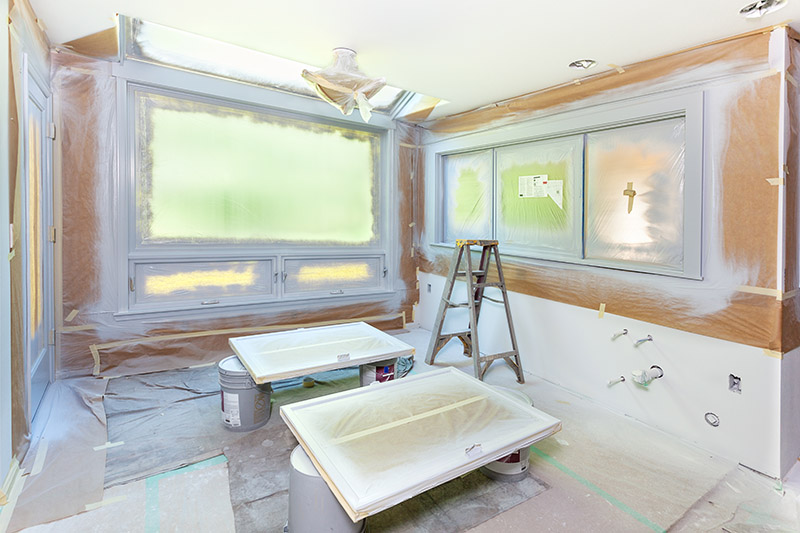
Understanding a Rehab Loan for Cherry Hill Homes
A rehab loan in Cherry Hill, NJ combines the financing for a property with funds for eligible repairs or improvements. At Maximus Mortgage Advisors, we help buyers and homeowners evaluate renovation costs, property condition, occupancy plans, and available loan structures before moving forward.
Key Takeaways
- Combined financing: A rehab mortgage may include eligible purchase or refinance costs and renovation expenses in one financing plan.
- Multiple programs: FHA, conventional, VA-related, and investor rehab loans have different occupancy, property, and borrower requirements.
- Renovation-based appraisal: The appraisal may consider the property’s expected value after the documented work is completed.
- Controlled repair funds: Renovation money is generally held in an escrow account and released through construction draws.
- Contractor review: The lender typically evaluates the contractor’s bid, credentials, insurance, permits, and proposed timeline.
- Longer process: Rehab financing usually takes more coordination than a mortgage for a move-in-ready property.
Common Questions About Rehab Loans
Rehab loans finance eligible property improvements, but the right structure depends on the borrower, home, and planned work. Here are direct answers to questions we regularly hear.
- What is a rehab mortgage? It is financing that incorporates eligible renovation expenses into a home purchase or refinance. Repair funds are generally held by the lender and paid through draws rather than given to you at closing.
- Who may use rehab financing? First-time buyers, repeat buyers, veterans, homeowners, and real estate investors may have options, although program requirements differ. New buyers can also review our first-time home buyer programs.
- How long does a rehab loan take? The process often takes longer than standard financing because underwriting must review both your finances and the renovation plan. Contractor documents, appraisals, permits, title issues, and incomplete bids can affect timing.
- Can I include cosmetic updates? Depending on the rehab program, eligible work may include flooring, paint, appliances, kitchens, bathrooms, roofing, electrical systems, plumbing, and structural repairs.
- Do I need a professional contractor? Many programs require a qualified, insured contractor who can provide an itemized bid and work within a lender-controlled draw schedule. Do-it-yourself renovations are restricted under many loan structures.
- Is FHA rehab financing only for first-time buyers? No. Repeat buyers may also be eligible when they meet the occupancy and underwriting requirements associated with an FHA home loan.
- Are rehab loans available for investment properties? Certain conventional and private programs permit non-owner-occupied properties. An investor planning to renovate and resell a home may want to compare a fix and flip home loan.
- Does the contractor receive the full budget upfront? Usually not. Renovation funds are commonly released in stages after an inspection verifies that the corresponding work has been completed.
How Rehab Loans Work
A rehab loan requires the borrower, property, contractor, and construction plan to be reviewed before renovation funds can be disbursed. What we typically see is that a detailed scope prepared early prevents questions during the appraisal and underwriting process.
- Review the complete scenario: We start with your credit, income, assets, debts, occupancy plans, and estimated renovation budget. Self-employed borrowers may need additional personal and business documentation depending on the selected program.
- Compare rehab programs: We review conventional, FHA, VA-related, and investor structures based on the property and your financial profile. Eligible veterans may also compare a rehab structure with a standard VA home loan.
- Prepare an itemized scope: Your contractor should separate labor, materials, permits, and individual improvements. A broad estimate without product allowances or repair details is generally not enough for an appraisal and project review.
- Complete the appraisal: The appraiser reviews the home and proposed improvements, then estimates value subject to completion of the documented work. The supported value and applicable program formula affect the renovation amount that may be financed.
- Underwrite the loan and project: The lender evaluates your ability to repay while reviewing the bid, contractor, title, insurance, permits, and project feasibility. Structural or environmental concerns may require engineering reports or additional inspections.
- Close and request draws: After closing, renovation funds are generally placed in a controlled account. The contractor completes work in stages, an inspector confirms progress, and funds are released according to the approved draw schedule.
When Rehab Financing May Be a Good Fit
Rehab financing may be appropriate when you see potential in a property but do not want to pay for all improvements separately in cash. It often works well for a first-time buyer purchasing a dated home, a move-up buyer changing an existing layout, a veteran evaluating an owner-occupied property, or a homeowner renovating during a refinance. In our experience, borrowers have a smoother process when they choose a contractor who understands detailed bids, inspections, and delayed draw payments.
Other financing may be worth considering when the project is undefined, the contractor requires substantial upfront cash, or the work involves near-total demolition. Minor updates may be easier to handle with traditional conventional, FHA, or VA financing and personal funds. A ground-up build or major reconstruction could call for a construction home loan instead.
Rehab Mortgage Costs, Fees, and Expectations
A rehab mortgage generally includes ordinary closing expenses plus additional costs for evaluating and administering the renovation. Potential charges include the appraisal, inspections, draw administration, title updates, permits, contractor insurance, consultant services, and contingency reserves. Pricing may also be higher than traditional financing because the lender is underwriting a property that has not yet reached its completed condition.
Down payment requirements vary by occupancy, credit, property type, and program. FHA rehabilitation financing may permit 3.5% down for eligible borrowers, while conventional and investor rehab programs often require a larger contribution. VA-related renovation options may be available in limited situations, subject to current lender and program guidelines.
For example, a $400,000 purchase with $60,000 in eligible improvements creates a $460,000 project basis before reserves and financed costs. If a hypothetical program required a 10% borrower contribution against that amount, the contribution would be approximately $46,000, although the actual calculation would depend on the appraisal and current program rules.
| Feature | Rehab Loan | Standard Mortgage |
|---|---|---|
| Property condition | May allow eligible post-closing repairs | Usually requires acceptable condition at closing |
| Repair funds | Held in escrow and released by draws | Generally not included |
| Down payment | Varies by program and occupancy | Varies by conventional, FHA, or VA rules |
| Closing costs | May include inspections and draw fees | Typically excludes renovation administration |
| Interest rate | May reflect added project risk | Traditional programs may offer more favorable terms |
| Timeline | Often longer due to project review | Often shorter for move-in-ready homes |
Common Rehab Loan Mistakes to Avoid
The most common rehab loan problems come from vague bids, unrealistic budgets, contractor cash-flow issues, and last-minute project changes. These details should be addressed before the appraisal whenever possible.
- Submitting a one-page estimate: A contractor’s statement that the work will cost “around $50,000” does not identify labor, materials, permits, or individual repairs. Underwriting generally needs a line-item scope that the appraiser can evaluate.
- Hiring a contractor who needs a large deposit: A contractor may require 50% upfront while the rehab program releases most funds only after inspected work is complete. That specific payment mismatch can prevent the contractor from starting.
- Underestimating hidden damage: Water intrusion, outdated wiring, termite damage, or deteriorated plumbing may not be visible during the first walkthrough. A contingency reserve can help address eligible issues discovered after closing, subject to program rules.
- Changing the project after appraisal: Replacing cabinets is different from removing a load-bearing wall. A structural change may require revised plans, engineering documentation, a new bid, and another appraisal review.
- Overlooking permits: Electrical service upgrades, plumbing changes, additions, and structural repairs may require municipal approval. Missing permits can interrupt draws and delay final completion.
- Using every available dollar at closing: Rehab funds may not cover temporary housing, storage, upgraded finishes outside the approved scope, or personal expenses caused by a delay. Maintaining separate reserves may provide useful flexibility.
Local Considerations for Cherry Hill, NJ
Rehab loans in Cherry Hill, NJ frequently involve established houses with desirable locations but aging systems, older layouts, or undocumented improvements. In Barclay Farm and Erlton, buyers may encounter split-level or mid-century homes needing electrical, plumbing, roofing, window, or kitchen updates, while properties around Short Hills may involve larger renovation budgets and additions requiring careful permit research. Healthcare employees connected to Cooper University Health Care, Philadelphia commuters, small-business owners, and workers in South Jersey’s logistics sector create varied income profiles, while Camden County property taxes, contractor availability, municipal permits, and records for prior additions can all affect the final budget and project calendar.
Let’s Talk About Your Rehab Loan
A successful renovation begins with an honest review of the home, contractor proposal, financing, and complete project cost. Send us the property listing, inspection findings, and any contractor estimates you already have. We can walk through the trade-offs and explain which rehab program may be worth exploring. Love it. Let’s do it thoughtfully.
Get started with Maximus Mortgage Advisors (NMLS #2926) today by completing our Get Started form. We will take a personalized, hands-on look at your goals rather than treating the project like another transaction.
This is educational content and not financial advice. Loan programs and guidelines can change. Talk with a licensed mortgage professional about your specific scenario.